

 Lockout help
 Home locks
 Business locks
 Car access
 Car keys
 Rekeying
 Lock repair
 Garage doors
Watertown · Shops and everyday access
Locksmith Watertown MA
Handing over a shop key should leave the next person knowing exactly what it opens. Around Watertown Square, start with the entrance involved, the keys currently in circulation, and what needs to change before deciding on new hardware.
01 /
A handover starts at the door
A storefront key, a shared building key, and a rear service-door key can belong to three different arrangements. When you discuss a business lock request, describe the particular entrance rather than simply asking to change the shop locks. Explain whether you can currently open and secure that door.
For a new tenancy or staff change, make a short key inventory: who needs continued access, which keys have been returned, and which remain unaccounted for. Identify the person authorized to approve the work. This gives the conversation a concrete scope without assuming that every lock in the building belongs to the business.
02 /
Keep a good lock, change an unwanted key
An operating lock and an unwanted old key present a different question from a cylinder that sticks or a latch that misses its strike. Rekeying a compatible working cylinder may change which key operates it while retaining the existing lock. The actual hardware needs checking before that option can be confirmed.
If the key has become difficult to turn, mention that separately. Changing key access alone does not address every mechanical fault. For loose hardware, unreliable latching, or a key that behaves differently with the door open and closed, the useful starting point is a lock and door-operation assessment.
03 /
Make the Watertown request specific
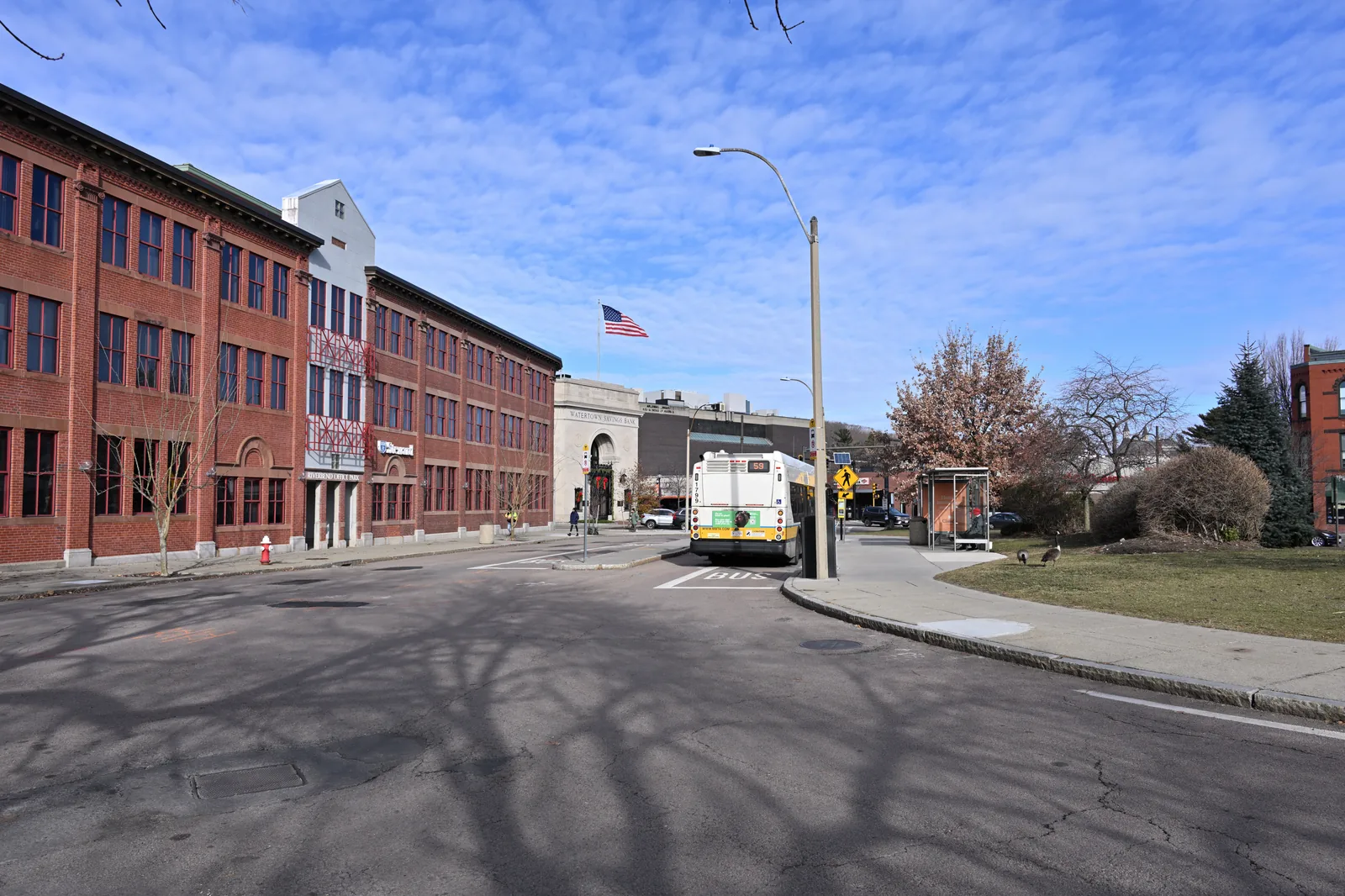
Watertown Square is a useful local reference, but a square name cannot identify a service entrance. Give the full street address, the business or unit identifier when relevant, and where the affected door sits. Include any access arrangement needed to reach it, especially if the street entrance is shared.
Call LockReach at 857-226-3269 with those details to ask about availability and the proposed next step. If you are outside with no working key, say so at the start; loss of access needs a different conversation from a planned key handover.
A little clarity
before you call.
Should I collect returned employee keys before arranging a change?
A list of returned and missing keys helps establish the access change you want. Tell the authorized decision maker about unreturned copies; collecting some keys does not establish that all copies are accounted for.
Can the shop door and shared hallway use the same new key?
That depends on the hardware and who controls each entrance. Identify both doors and their owners or managers. A matching-key arrangement must be checked rather than assumed from the fact that the doors serve the same shop.